Compliance Training Trends in 2026: 5 Practical Priorities for L&D Teams

Explore five practical compliance training trends for 2026, including role-based learning, reinforcement, AI governance, reporting, and speak-up culture.

Updated On:
February 15, 2026

Mahesh Kumar

Founder, TraineryHCM.com
Top Compliance Training Trends in 2026

Table of Contents

Compliance Training Trends in 2026: 5 Practical Priorities for L&D Teams

Compliance training in 2026 is moving toward more targeted, role-aware, and evidence-based program design. The strongest programs are not defined by one technology or one delivery format. They combine applicable legal requirements, company policies, relevant learning content, clear records, and follow-up based on workforce risk.

This guide reviews five practical compliance training trends that L&D, HR, compliance, and operations teams can evaluate in 2026. These approaches should be adapted to the organization’s actual obligations, workforce, systems, and risk profile.

1. More Role-Based Compliance Training

Organizations are increasingly moving away from assigning identical training to every employee when job responsibilities and exposure differ. A sales employee, manager, HR professional, finance employee, and IT administrator may need different examples, policies, and refreshers.

What role-based design can include

  • Different course assignments by role, location, business unit, or risk category.
  • Scenario examples that reflect real job decisions.
  • Additional training when an employee changes responsibilities.
  • Targeted remediation when assessment results show a specific knowledge gap.

Pre-assessments or test-out approaches may be appropriate in some programs, but they should only be used when they are consistent with applicable training requirements and internal policy. Passing a quiz does not automatically satisfy every regulatory or employer training obligation.

For a practical framework, see the role-based training guide.

2. Reinforcement Between Formal Training Events

Many organizations are supplementing annual or scheduled courses with shorter reinforcement activities. These can help keep policies visible between formal training events.

Examples of reinforcement

  • Short policy reminders before a relevant business activity.
  • Manager talking points for team meetings.
  • Microlearning or knowledge checks tied to recurring risks.
  • Targeted refreshers after a policy, process, or regulatory change.

These activities should complement, not automatically replace, required training. Delivery through email, collaboration tools, an LMS, or another system depends on the organization’s technology and configuration.

3. AI Governance and Responsible-AI Training

As organizations adopt generative AI and other automated tools, more employees need practical guidance on approved use. Training should reflect the organization’s own AI policy, data-classification rules, privacy requirements, intellectual-property expectations, review controls, and applicable law.

Common AI-governance topics

  • What information employees may or may not enter into AI tools.
  • How to verify AI-generated outputs before use.
  • When human review or approval is required.
  • How bias, privacy, confidentiality, or intellectual-property risks may arise.

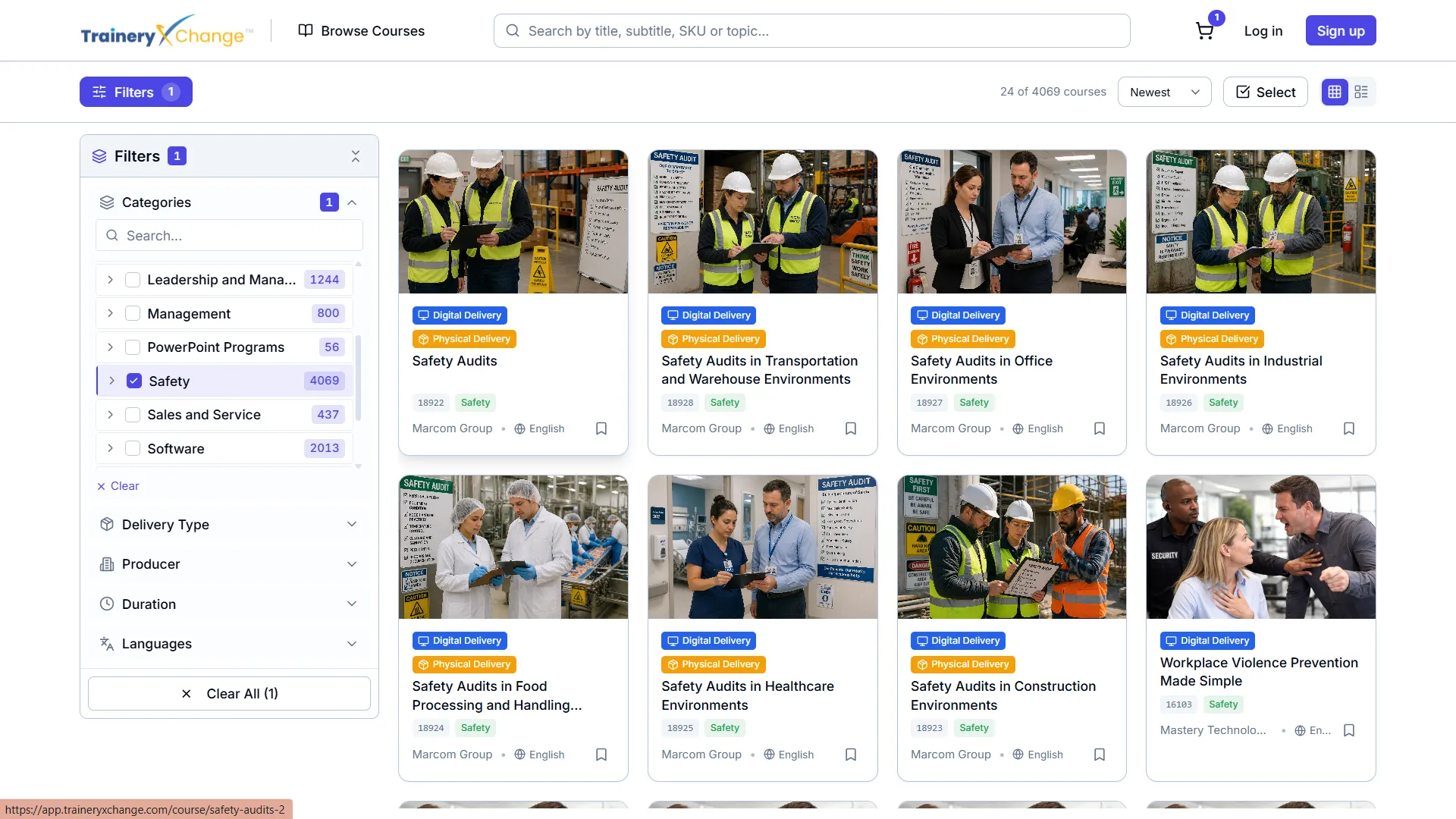
Organizations looking for current training content can review available options in the TraineryXchange content marketplace. Course availability, scope, and suitability should be confirmed before deployment.

4. More Useful Compliance Reporting

Completion data remains important, but many teams are also reviewing assignment status, assessment results, overdue training, repeat failures, role coverage, and policy acknowledgments where supported.

Training data can help identify areas that deserve follow-up, but it should not be treated as a predictive model of legal violations or future incidents. For example, a low assessment score may indicate a knowledge gap, poor course fit, unclear policy, language barriers, or other issues that need investigation.

Reporting capabilities depend on the LMS, integration method, licensed content, and configuration. Review available LMS delivery and reporting options before designing a reporting workflow.

5. Greater Focus on Speak-Up Culture

Compliance programs increasingly include manager response, reporting channels, anti-retaliation expectations, and bystander skills. Training can support these areas, but culture also depends on leadership behavior, policy enforcement, investigation processes, and employee trust.

Useful training topics can include

  • How employees can raise concerns through available channels.
  • How managers should respond when an employee reports a concern.
  • Anti-retaliation expectations.
  • Bystander intervention where appropriate.

See the compliance training page for broader program and content-delivery options.

How to Apply These Trends Without Over-Automating the Program

Step 1: Review actual requirements

Start with the governing law, regulation, contract, policy, or internal requirement for each training topic. Confirm who must be trained, what content is required, when training is due, and what records must be retained.

Step 2: Map training to roles and systems

Use stable employee data such as role, department, location, or manager when available. HRIS-to-LMS workflows can reduce manual administration, but assignment timing and automation depend on the systems and configured rules. Review the LMS and HRIS integration guide for implementation considerations.

Step 3: Configure reminders and escalations carefully

Reminder and escalation features vary by LMS and configuration. Define who receives notices, when escalation occurs, and how exceptions are handled rather than assuming a universal workflow.

Step 4: Measure more than completion

Use available data to review coverage, late assignments, assessment patterns, policy acknowledgments, and follow-up needs. Do not assume that a single metric proves legal compliance or behavior change.

Conclusion

The most useful compliance training trends in 2026 are practical rather than fashionable: improve relevance, reinforce important topics, address new risks such as AI use, strengthen reporting, and make it easier for employees to raise concerns.

TraineryXchange can support organizations with training content, TraineryLMS, and supported LMS delivery options. Exact course availability, integrations, reporting, reminders, and workflow capabilities depend on the selected content and configuration.

Book a demo to review current compliance training and delivery options for your organization.
Key Takeaways:

  • Role-based training can improve relevance when assignments reflect actual job risks and requirements.
  • Short reinforcement activities can complement formal training, but they do not replace required instruction.
  • AI governance training should be based on the organization’s policies, data rules, and applicable legal requirements.
  • Training data can support risk review, but completion or quiz scores alone do not predict future incidents.
  • Speak-up training is most useful when paired with clear reporting channels, anti-retaliation safeguards, and manager expectations.

Compliance Training Trends in 2026: 5 Practical Priorities for L&D Teams

Compliance training in 2026 is moving toward more targeted, role-aware, and evidence-based program design. The strongest programs are not defined by one technology or one delivery format. They combine applicable legal requirements, company policies, relevant learning content, clear records, and follow-up based on workforce risk.

This guide reviews five practical compliance training trends that L&D, HR, compliance, and operations teams can evaluate in 2026. These approaches should be adapted to the organization’s actual obligations, workforce, systems, and risk profile.

1. More Role-Based Compliance Training

Organizations are increasingly moving away from assigning identical training to every employee when job responsibilities and exposure differ. A sales employee, manager, HR professional, finance employee, and IT administrator may need different examples, policies, and refreshers.

What role-based design can include

  • Different course assignments by role, location, business unit, or risk category.
  • Scenario examples that reflect real job decisions.
  • Additional training when an employee changes responsibilities.
  • Targeted remediation when assessment results show a specific knowledge gap.

Pre-assessments or test-out approaches may be appropriate in some programs, but they should only be used when they are consistent with applicable training requirements and internal policy. Passing a quiz does not automatically satisfy every regulatory or employer training obligation.

For a practical framework, see the role-based training guide.

2. Reinforcement Between Formal Training Events

Many organizations are supplementing annual or scheduled courses with shorter reinforcement activities. These can help keep policies visible between formal training events.

Examples of reinforcement

  • Short policy reminders before a relevant business activity.
  • Manager talking points for team meetings.
  • Microlearning or knowledge checks tied to recurring risks.
  • Targeted refreshers after a policy, process, or regulatory change.

These activities should complement, not automatically replace, required training. Delivery through email, collaboration tools, an LMS, or another system depends on the organization’s technology and configuration.

3. AI Governance and Responsible-AI Training

As organizations adopt generative AI and other automated tools, more employees need practical guidance on approved use. Training should reflect the organization’s own AI policy, data-classification rules, privacy requirements, intellectual-property expectations, review controls, and applicable law.

Common AI-governance topics

  • What information employees may or may not enter into AI tools.
  • How to verify AI-generated outputs before use.
  • When human review or approval is required.
  • How bias, privacy, confidentiality, or intellectual-property risks may arise.

Organizations looking for current training content can review available options in the TraineryXchange content marketplace. Course availability, scope, and suitability should be confirmed before deployment.

4. More Useful Compliance Reporting

Completion data remains important, but many teams are also reviewing assignment status, assessment results, overdue training, repeat failures, role coverage, and policy acknowledgments where supported.

Training data can help identify areas that deserve follow-up, but it should not be treated as a predictive model of legal violations or future incidents. For example, a low assessment score may indicate a knowledge gap, poor course fit, unclear policy, language barriers, or other issues that need investigation.

Reporting capabilities depend on the LMS, integration method, licensed content, and configuration. Review available LMS delivery and reporting options before designing a reporting workflow.

5. Greater Focus on Speak-Up Culture

Compliance programs increasingly include manager response, reporting channels, anti-retaliation expectations, and bystander skills. Training can support these areas, but culture also depends on leadership behavior, policy enforcement, investigation processes, and employee trust.

Useful training topics can include

  • How employees can raise concerns through available channels.
  • How managers should respond when an employee reports a concern.
  • Anti-retaliation expectations.
  • Bystander intervention where appropriate.

See the compliance training page for broader program and content-delivery options.

How to Apply These Trends Without Over-Automating the Program

Step 1: Review actual requirements

Start with the governing law, regulation, contract, policy, or internal requirement for each training topic. Confirm who must be trained, what content is required, when training is due, and what records must be retained.

Step 2: Map training to roles and systems

Use stable employee data such as role, department, location, or manager when available. HRIS-to-LMS workflows can reduce manual administration, but assignment timing and automation depend on the systems and configured rules. Review the LMS and HRIS integration guide for implementation considerations.

Step 3: Configure reminders and escalations carefully

Reminder and escalation features vary by LMS and configuration. Define who receives notices, when escalation occurs, and how exceptions are handled rather than assuming a universal workflow.

Step 4: Measure more than completion

Use available data to review coverage, late assignments, assessment patterns, policy acknowledgments, and follow-up needs. Do not assume that a single metric proves legal compliance or behavior change.

Conclusion

The most useful compliance training trends in 2026 are practical rather than fashionable: improve relevance, reinforce important topics, address new risks such as AI use, strengthen reporting, and make it easier for employees to raise concerns.

TraineryXchange can support organizations with training content, TraineryLMS, and supported LMS delivery options. Exact course availability, integrations, reporting, reminders, and workflow capabilities depend on the selected content and configuration.

Book a demo to review current compliance training and delivery options for your organization.
Frequently Asked Questions

What is the difference between Governance and Compliance?
Is Adaptive Learning legal for compliance?
How do I get employees to actually finish compliance training?
Can we use AI to generate compliance courses?
What is behavior-based compliance training?
How often should compliance training be updated?