Employee onboarding training for growing teams

Employee Onboarding Training Platform for New Hires

Build employee onboarding training with role-based new-hire learning paths, 18K+ course options, early compliance assignments, progress tracking, and supported LMS delivery.
Accelerated Onboarding

What Should Employee Onboarding Training Include?

A strong onboarding training program combines role expectations, company and policy training, job-specific learning, manager guidance, milestones, and progress tracking for each new hire.

Generic instead of role-relevant
One-size-fits-all training leaves hires feeling disconnected from their actual work.
Fragmented across tools
Important info is scattered across Slack, Notion, and email threads.
Low Retention
Information overload can make it harder for new hires to retain and apply what they learn.

Onboarding Considerations

Varies

Early attrition can be influenced by unclear expectations, weak manager support, role fit, and the overall onboarding experience.

Role-dependent

Time-to-productivity varies by role, prior experience, manager support, training content, and job complexity.
"New hires feel uncertain, managers repeat explanations, and attrition spikes before employees ever reach full capacity."

Benefits of Structured Employee Onboarding Training

Moving beyond simple checklists to high-impact learning experiences.

01

Support Role Readiness

Give new hires clear, role-relevant learning paths so they can build the knowledge needed for their responsibilities.

02

Consistent Onboarding at Scale

Deliver the same high-quality experience to every hire. Ensure consistency across teams and locations without manual tribal knowledge.

03

Support Early Engagement

Help employees understand expectations and available resources early in the employee experience. Engagement and retention depend on broader workplace factors as well.

04

Less Manual Work for HR

Simplify operations without sacrificing quality. Pre-built content reduces repetitive explanations and manual follow-ups.

Employee Onboarding Training Platform Capabilities

Role-Based Learning Paths

Build role-based learning paths so new hires can focus on training that is relevant to their responsibilities and onboarding plan.

Curated Onboarding Content

Use curated course options to support onboarding topics such as workplace skills, role development, and organization-specific training.

Early Compliance Coverage

Include required policy or compliance training in onboarding workflows where appropriate. Organizations remain responsible for determining applicable requirements.
chart-line icon

Progress Tracking & Visibility

Get instant visibility into onboarding progress and engagement to identify risks before they impact performance.

How to Build a New Hire Training Program

Define role requirements, select relevant training, and launch a structured onboarding path that can be measured and improved over time.
Define the Role

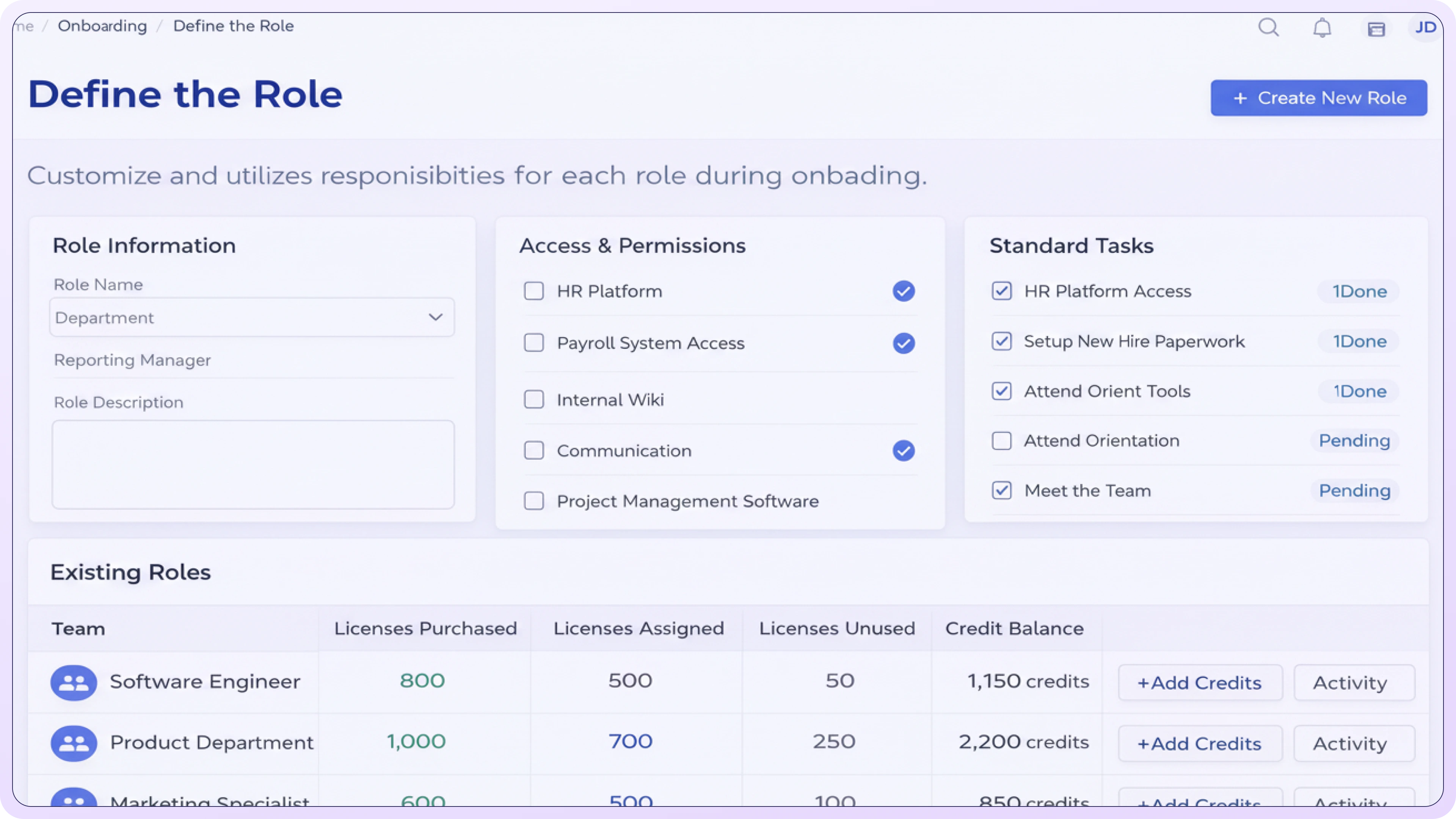
Identify exactly what each new hire needs to know to succeed, from core cultural values to technical, role-specific skills.
Employee onboarding interface with role info, access permissions, standard tasks, and existing roles table.

Curate with Intelligence

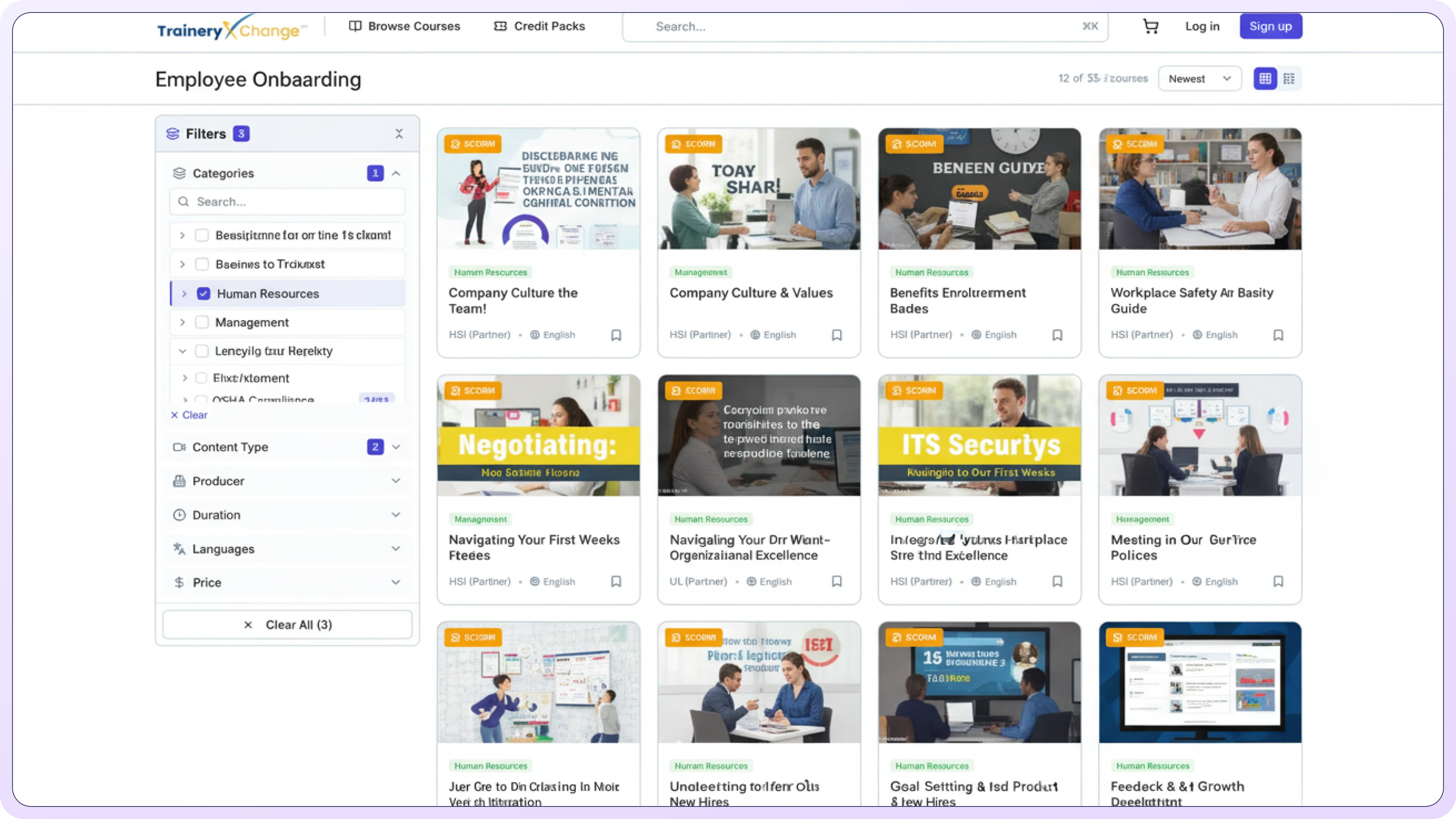
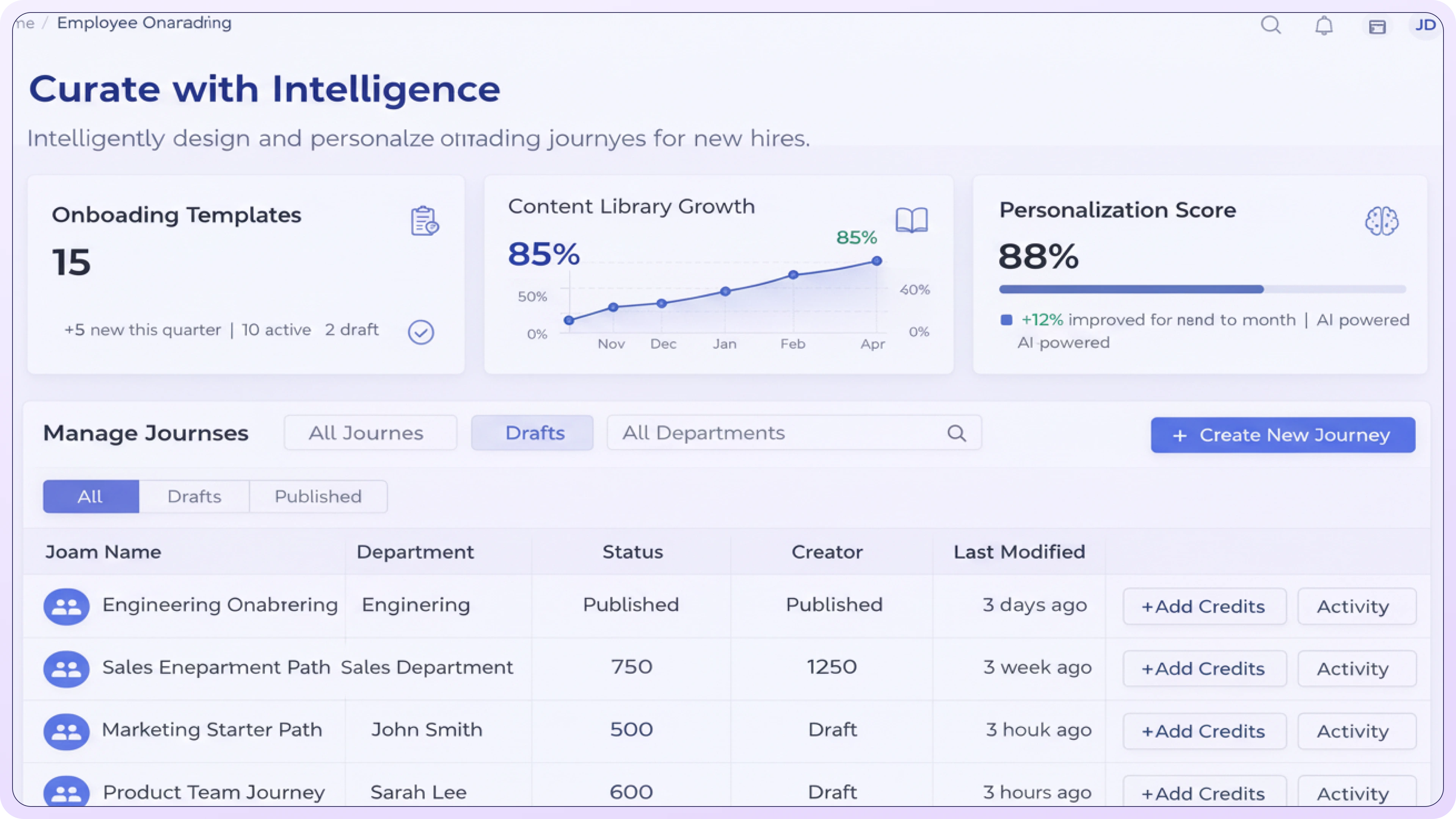
Select high-impact content from our curated marketplace. No more starting from blank documents or generic PDFs.
Intelligent Curation

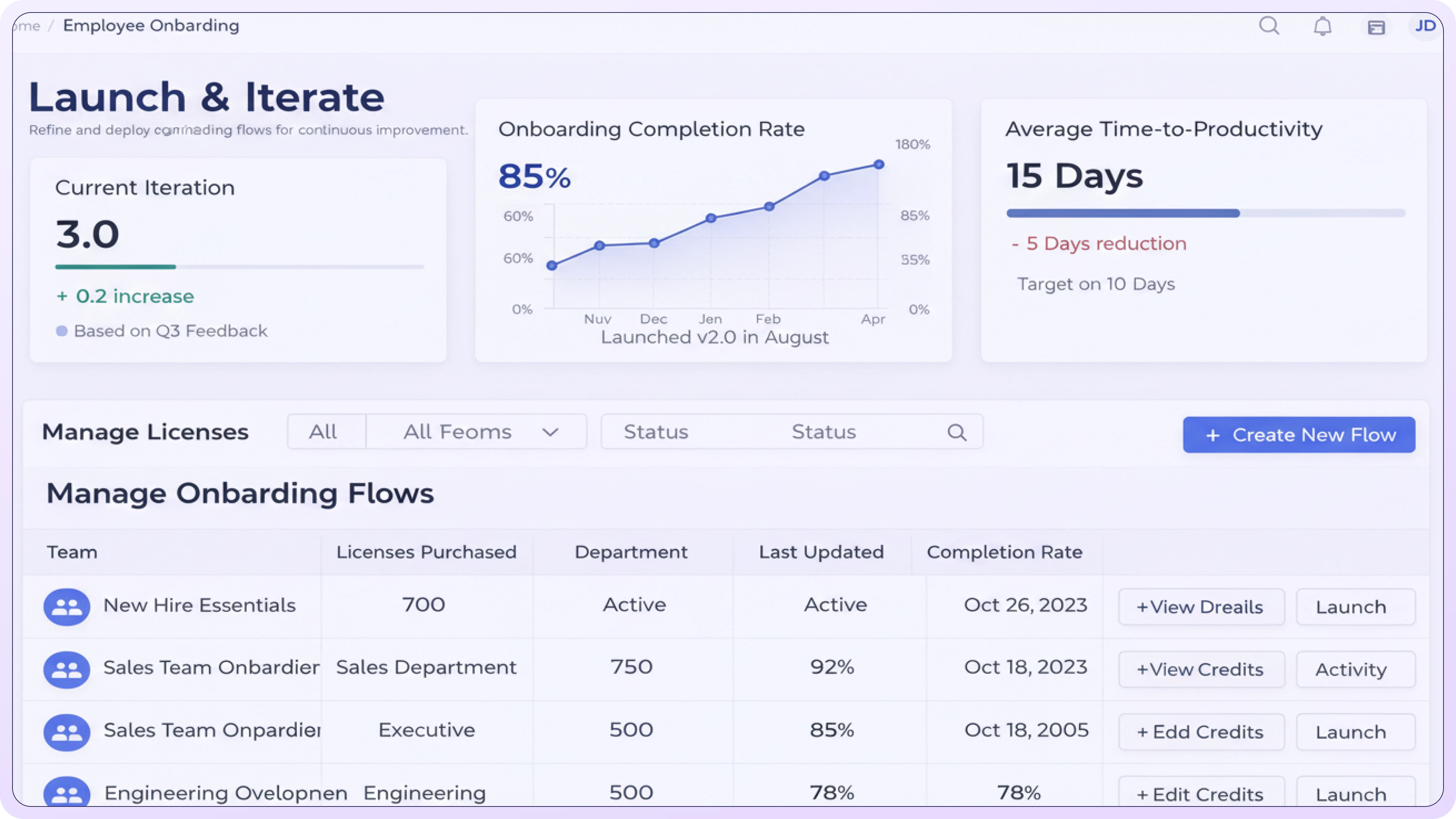
Launch & Iterate

Launch onboarding training through the selected delivery method, then use available completion and learner feedback data to improve the experience over time.
Continuous Improvement

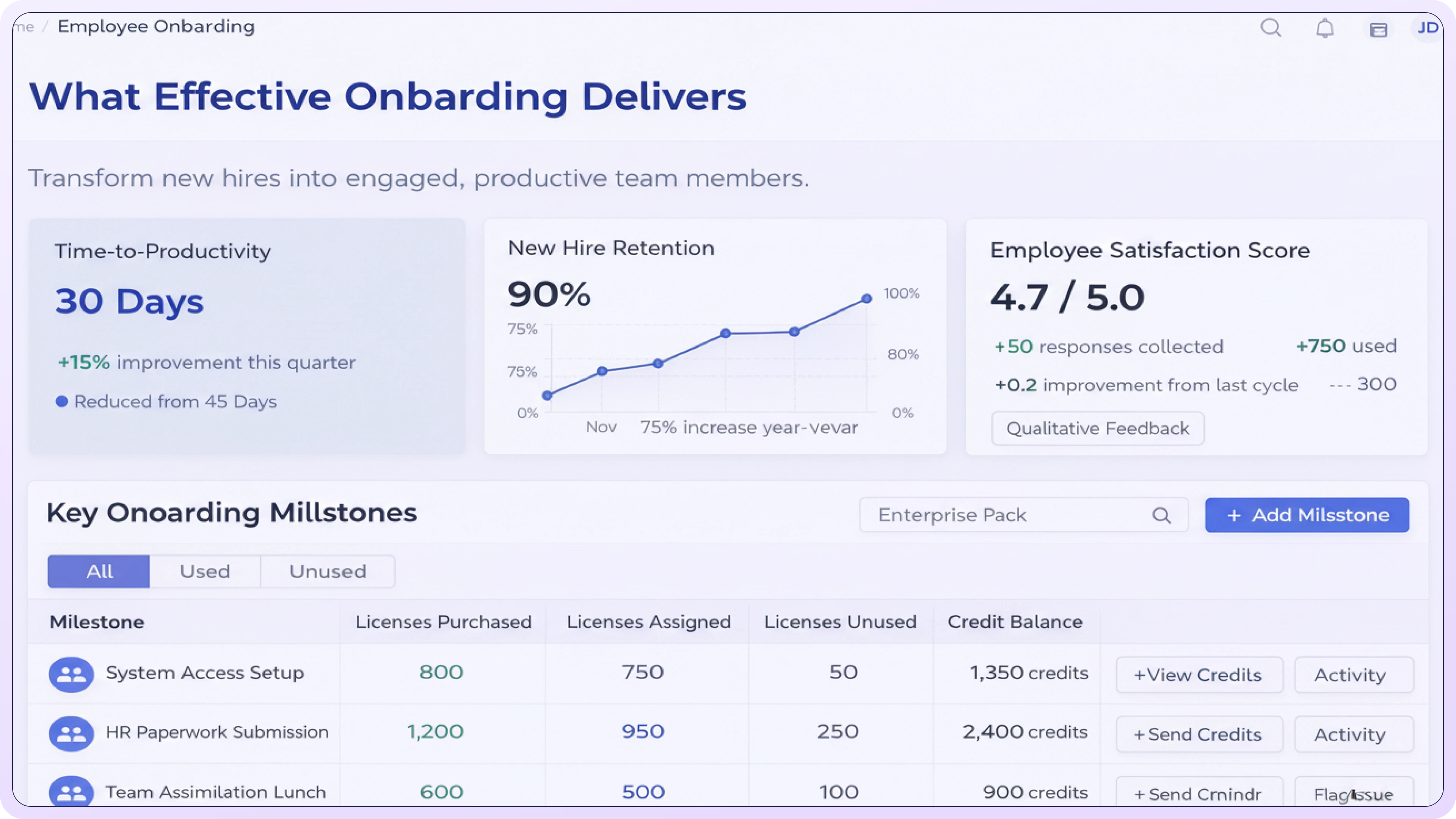
What Effective New Hire Training Can Support

Great onboarding doesn’t just welcome employees — it prepares them to perform.

Clearer role readiness for new hires

Clear expectations and reduced early-stage confusion

A more consistent early employee learning experience

Less manual onboarding effort for HR and managers

Time-to-Productivity

Frequently Asked Questions

What should employee onboarding training include?

Employee onboarding training should cover role expectations, company and policy training, job-specific learning, required compliance topics, manager guidance, milestones, and progress tracking for each new hire.

How does TraineryXchange support new hire training?

TraineryXchange supports role-based learning paths, curated onboarding content, and progress tracking so teams can organize new-hire training and monitor completion without relying on manual follow-up alone.

How is onboarding training different from an onboarding checklist?

An onboarding checklist tracks tasks, while onboarding training develops the knowledge and role readiness a new hire needs. Structured programs can combine both with learning paths, milestones, and completion tracking.

Can new hire training be customized by role?

Yes. TraineryXchange allows organizations to create role-based onboarding paths tailored to job functions, responsibilities, and performance expectations.

How can new hire training support the employee experience?

Clear expectations and relevant training can support a stronger early employee experience, but retention depends on many factors beyond onboarding training alone.

How does TraineryXchange track onboarding progress?

Available reporting can show onboarding completion and learning activity. The specific data available depends on the content, delivery method, LMS, and platform configuration.

Related Blogs

Ready to Upgrade Your Employee Onboarding?

Deliver onboarding training that builds confidence, clarity, and role readiness from the start.

Plan rollout timing around your content, LMS, and onboarding requirements.