Culture of Civility: Creating a Harassment-Free Workplace for Employees (Texas)
Nine lessons covering harassment recognition, bystander intervention and reporting procedures for a Texas-focused audience.
View Course →Help employees recognize inappropriate workplace conduct, understand their responsibilities, and respond to harassment concerns appropriately.
Explore online harassment prevention courses through TraineryXchange, or get help selecting content for your workforce, locations, and compliance requirements.
Verified catalog course
View Course →An inappropriate comment. Unwelcome behavior. A concern that goes unreported. Give employees the knowledge to recognize workplace harassment and understand how to respond.
Understand unlawful harassment and relevant workplace examples.
Learn where employees can raise concerns through reporting channels.
Understand protections after complaints or investigations.
Explore appropriate ways to support colleagues and report concerns.
Recognize professional boundaries and workplace expectations.
Use these topics to select training that supports your policies and applicable obligations.
Introduce harassment prevention, inappropriate conduct, employee rights, reporting procedures and retaliation protections.
Focus on identifying concerns, escalation duties, confidentiality considerations and preventing retaliation.
Review courses for each location’s duration, timing, content, interactivity and supervisor-specific requirements.
Compare available courses by employee role, jurisdiction, content coverage, delivery and compliance needs.
Nine lessons covering harassment recognition, bystander intervention and reporting procedures for a Texas-focused audience.
View Course →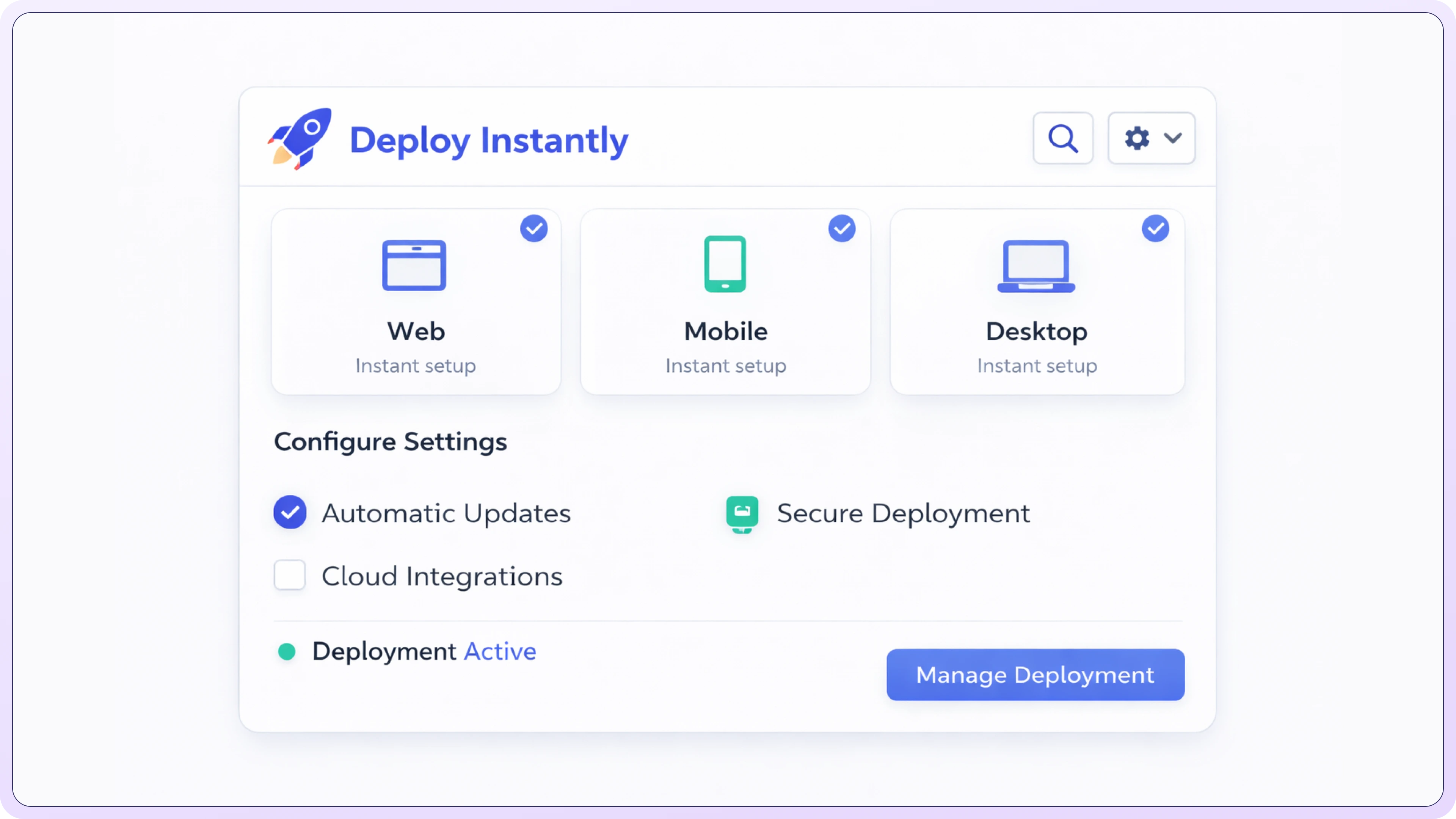
Explore employee-level topics: inappropriate conduct, complaint channels, retaliation protections and workplace scenarios.
Browse Catalog →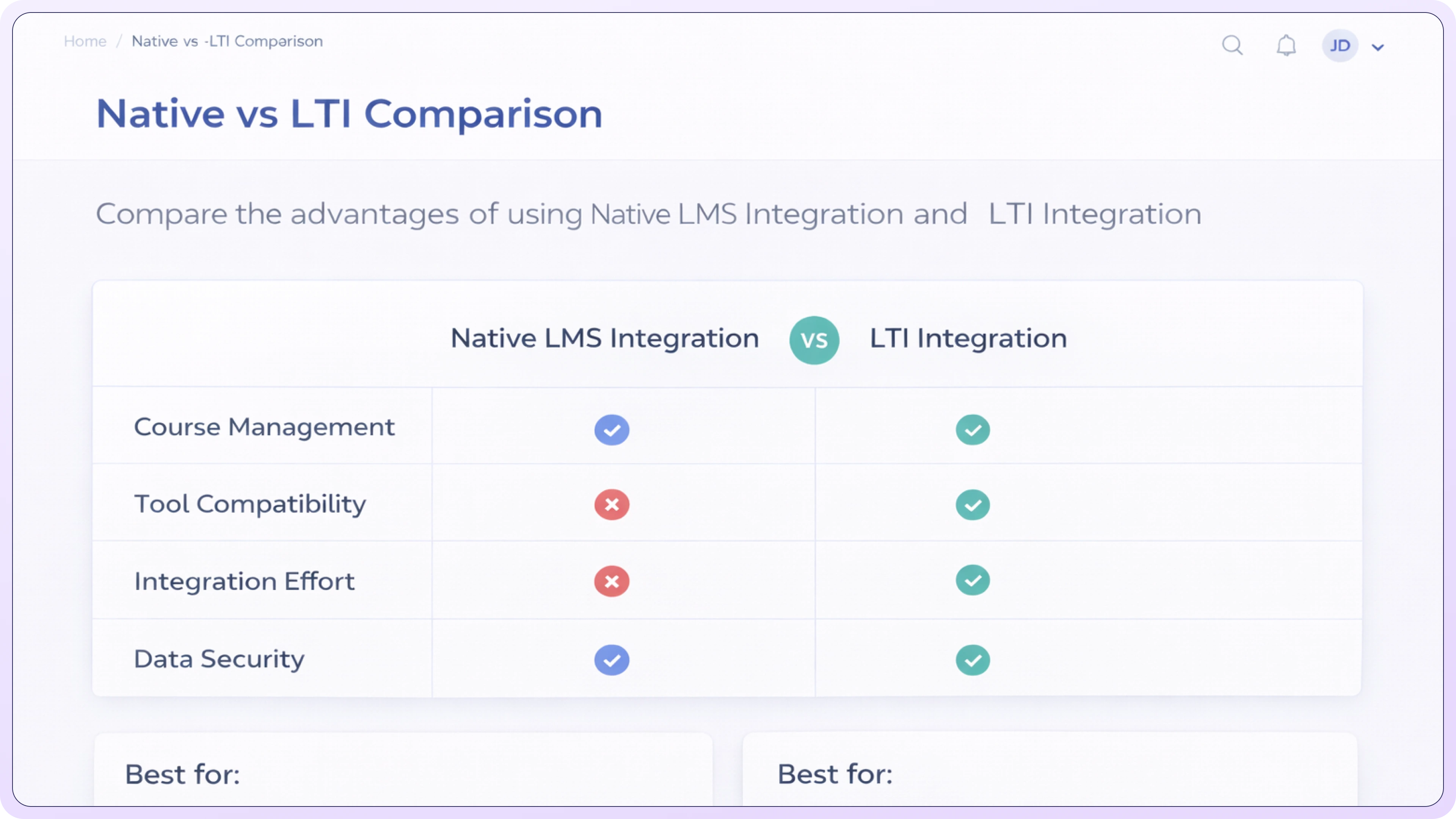
Explore supervisor response, reporting, escalation responsibilities and preventing retaliation.
Browse Catalog →Introduce workplace expectations and reinforce appropriate employee and supervisor responses.
Introduce prohibited conduct, employee rights, reporting channels and organizational expectations.
Select learning with workplace scenarios, reporting choices and retaliation-prevention examples.
Connect training with internal policies, reporting contacts, manager responsibilities and required refreshers.
Example only. Verify required duration, content, delivery format and recurrence against applicable requirements.
Your workforce may include office employees, frontline teams, supervisors, remote workers and multiple states.
Discuss content based on workforce locations, employee roles, existing policies and training delivery requirements.
Discuss a Curated Training ProgramCombine external courses with internal complaint procedures, reporting contacts, anti-retaliation policies and workplace expectations.
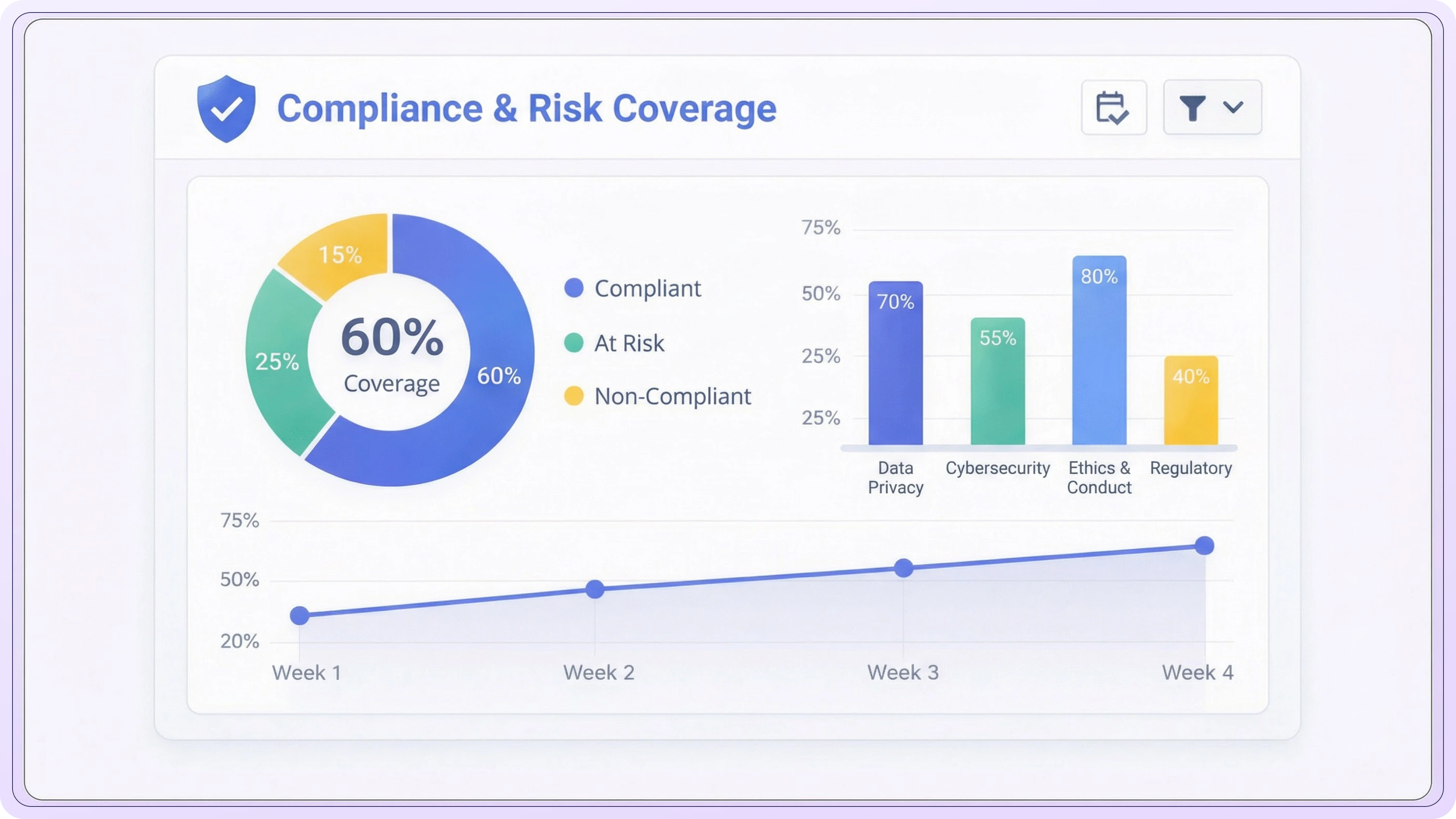
Choose courses with attention to learner access, delivery options and records your organization needs to maintain.
Identify employees, supervisors, locations, languages and required training schedules.
Explore Content Licensing →Confirm course formats, assessments, learner completion tracking and recordkeeping capabilities.
Review LMS Delivery Options →Discuss whether TraineryLMS fits assignments, completion monitoring and reporting requirements.
Explore TraineryLMS →Harassment prevention training helps employees and supervisors understand unlawful harassment, recognize inappropriate conduct, learn reporting procedures and respond to concerns.
Requirements vary by state, locality, employer characteristics and employee role. Confirm applicable rules before assigning training.
Managers may need additional training on receiving concerns, escalation, response responsibilities and retaliation prevention. Some jurisdictions have supervisor-specific rules.
Training frequency depends on applicable laws and employer circumstances. Confirm required timing for each employee work location.
Discuss locations, roles, objectives and delivery requirements to identify courses for review. Your compliance team should verify legal suitability.
Delivery depends on selected content and LMS capabilities. Verify interactivity, formats, completion tracking and licensing before rollout.
Guides for course selection, compliance evidence, workplace policies and content reviews.
Compare workforce coverage, training duration, timing and state-specific obligations.
Review the importance of course suitability, completion records and training evidence.
Review how laws, policies and workplace risks affect content updates.
Call 800.397.5215 to speak with our experts and find a solution that fits your organization’s needs.


