
Phishing & Social Engineering Awareness
Recognize suspicious emails, impersonation and social engineering tactics.
Browse Catalog →Help employees recognize phishing attempts, protect sensitive information, and make safer decisions when using workplace systems.
Explore online cybersecurity courses through TraineryXchange, or get help selecting training that matches your employees’ roles, security risks, and company policies.
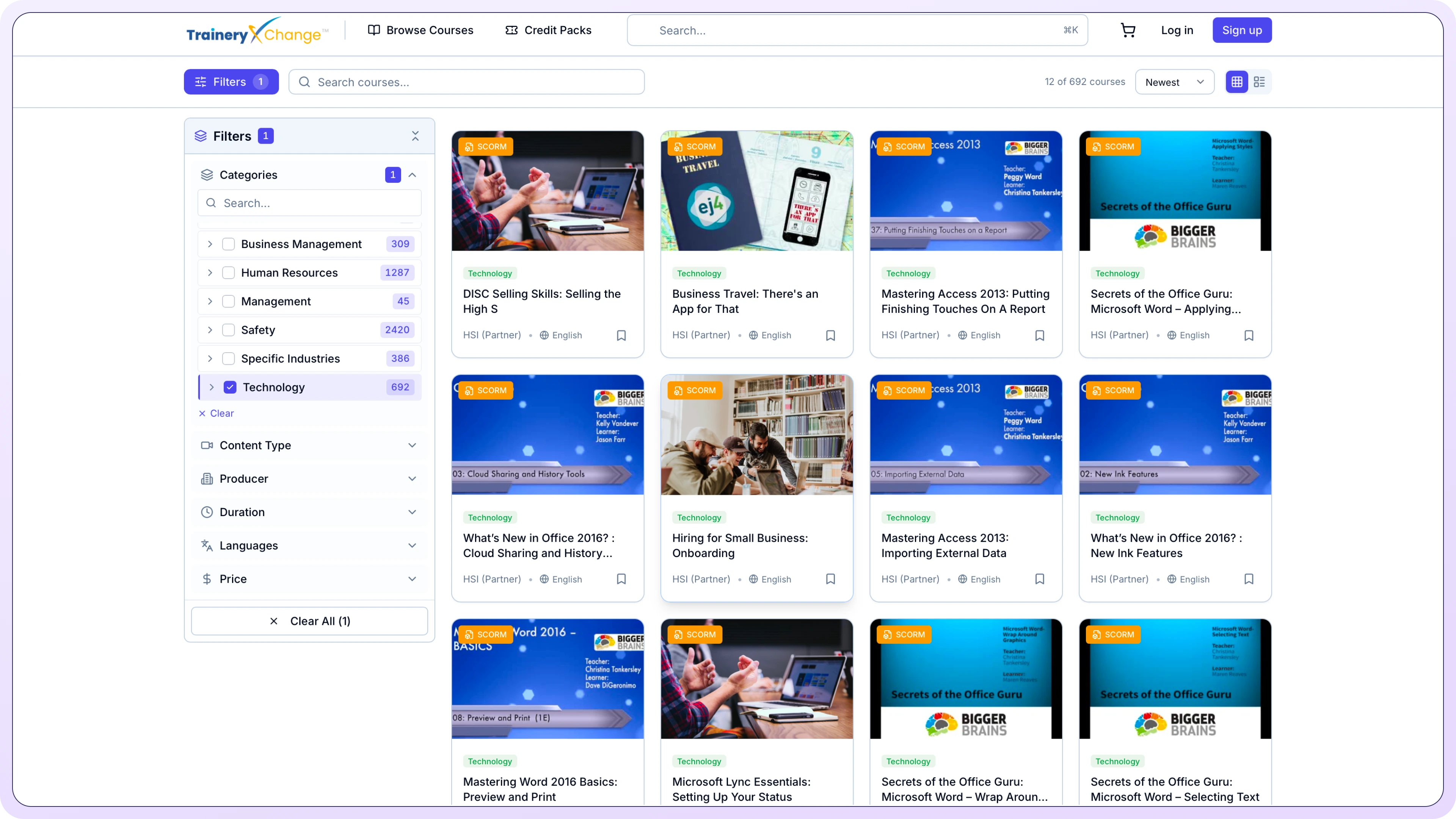
Training topic overview
Browse Catalog →A suspicious email. An unexpected login request. A shared file sent to the wrong person. Help employees recognize common security risks before they become bigger problems.
Recognize suspicious messages, impersonation and misleading links.
Use strong passwords, password managers and multifactor authentication.
Handle sensitive business and customer information safely.
Identify unsafe websites, downloads, attachments and prompts.
Recognize potential incidents and follow reporting procedures.
Use these priorities to guide your course selection.
Build awareness around phishing, passwords, safe browsing, data handling and reporting suspicious activity.
Help managers reinforce security expectations, address concerns and escalate potential incidents.
Select additional learning for staff handling customer data, financial records or confidential documents.
Start with course topics that match everyday responsibilities and common security risks. Confirm catalog listings before selecting courses.
Recognize suspicious emails, impersonation and social engineering tactics.
Browse Catalog →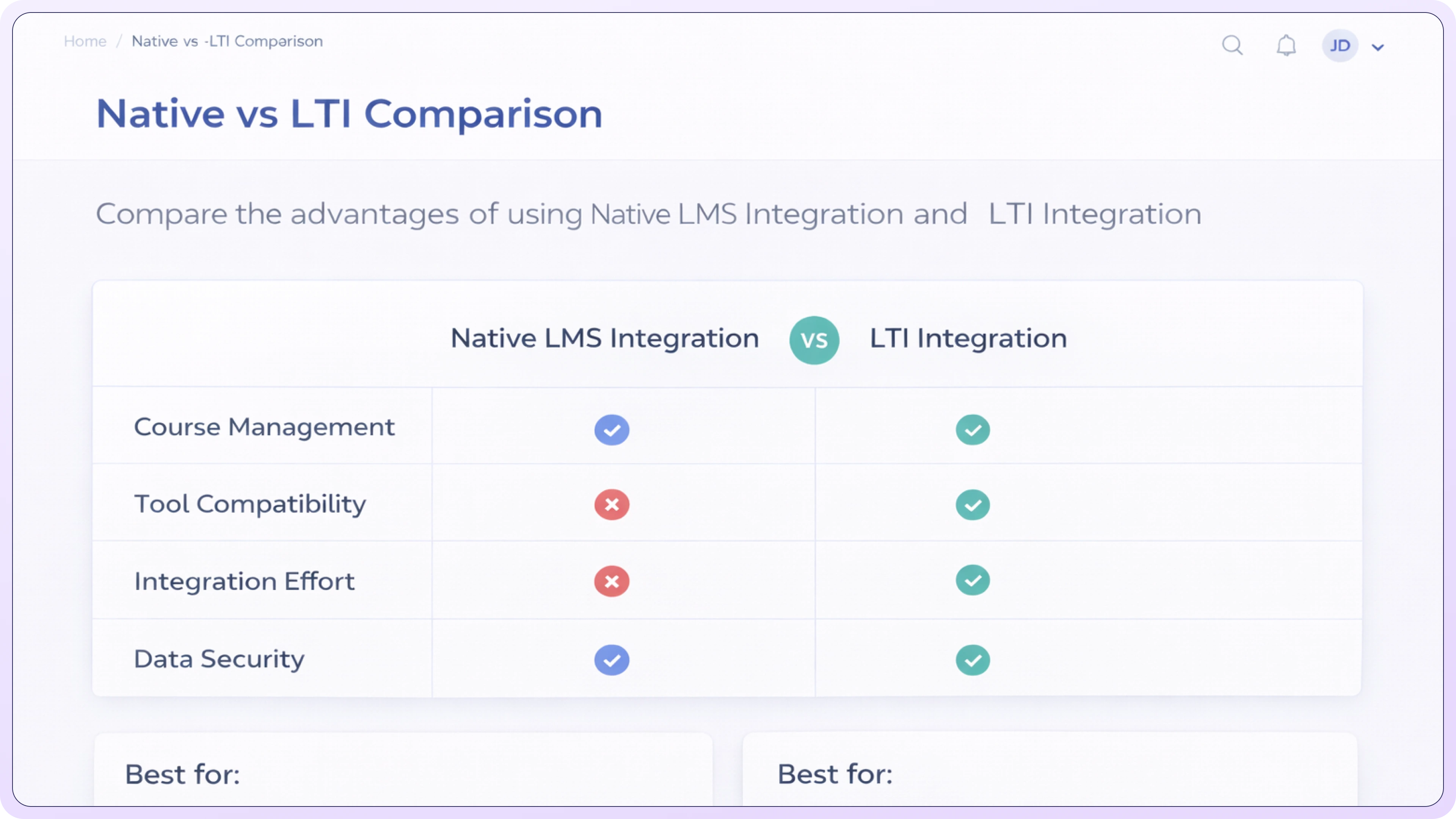
Explore multifactor authentication, strong passwords and account protection.
Browse Catalog →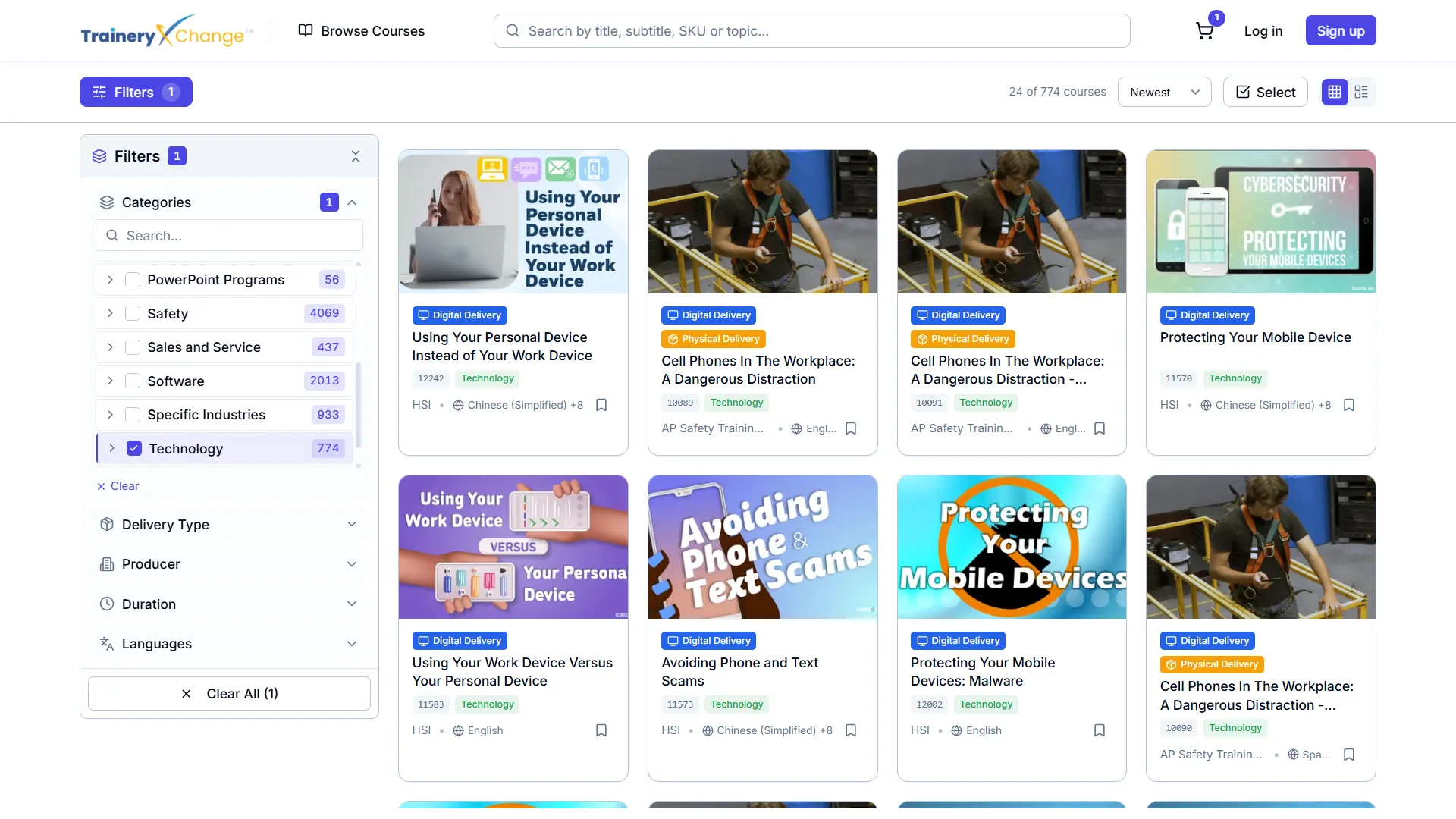
Protect workplace information, share files safely and recognize data exposure.
Browse Catalog →Introduce essential concepts, connect them to real situations and reinforce expected actions.
Introduce workplace threats, employee responsibilities and protecting accounts and information.
Select learning around phishing, unsafe downloads, data handling and incident reporting.
Use refreshers, realistic scenarios, discussions or approved simulations to reinforce safer decisions.
Example sequence only. Follow organizational security policies, risk profile and training requirements.
Employees use different systems, handle different information and encounter different risks.
Explore content based on employee roles, priority threats, existing training and delivery requirements.
Discuss a Curated Training ProgramCombine external courses with internal security policies, approved tools, reporting procedures and workplace examples.
Plan employee access, completion tracking and content reviews as security needs change.
Share learner counts, employee groups, selected topics and intended access period to discuss licensing.
Explore Content Licensing →Check supported course formats and compatibility with your existing learning platform.
Review LMS Delivery Options →Discuss whether TraineryLMS fits your assignment, learner access and completion reporting needs.
Explore TraineryLMS →Cybersecurity awareness training helps employees recognize digital threats and use workplace systems safely. Topics include phishing, account security, data protection and incident reporting.
Start with phishing, account security, sensitive information handling and reporting suspicious activity. Choose other topics based on employee roles and risk.
Yes. General cybersecurity awareness courses focus on everyday employee decisions rather than advanced technical security skills. Training should use relevant workplace examples and language appropriate for the audience.
You can discuss your workforce, training objectives, existing content and delivery requirements to explore suitable cybersecurity courses.
Delivery depends on selected content and LMS capabilities. Verify compatibility, course formats, completion tracking and licensing before purchase.
Determine training and refresher frequency using your risk assessment, internal policies, applicable obligations and changes in threats or systems. No single schedule fits every organization.
Certificate availability and completion requirements vary by course. Confirm them before assigning training.
Guides for evaluating course options, licensing, existing-LMS delivery and security awareness requirements.
Learn when external training fits and where company-specific security procedures are needed.
Review content licensing, delivery formats and existing-LMS considerations.
Explore security awareness, data privacy and relevant workplace compliance topics.

Call 800.397.5215 to speak with our experts and find a solution that fits your organization’s needs.


